I was today years old when I learned the term"duck-shove". Turns out it's proper Australian slang, apparentlyinspired by ducklings elbowing their way to the front of a queue. It meansevading responsibility by pushing it onto somebody else. Now I know it, I loveit, and I am going to use it.
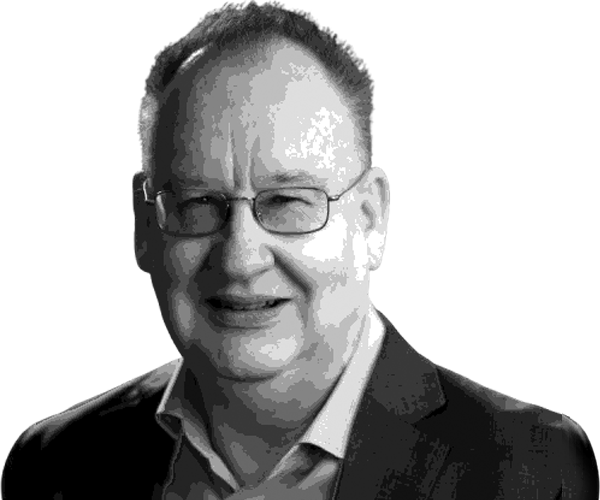
I heard it from Michael Eichler, CPO of Anglicare, who usedit a handful of times without blinking in the space of an hour. Michael hasspent close to three decades in people leadership, most of it in corporate,including a long stretch at IAG, before he made a deliberate move into thenot-for-profit sector at Anglicare, taking a pay cut to do it. He built itsleadership framework from nothing, backed by an executive team that neverblinked at the business case either. He walks out for the last time on 15October. Along the way he became one of Sprouta's earliest and most consistentsupporters, showing up to OTRs, opening doors, and introducing us to people whoneeded exactly what our partners do.
Before he cleared his desk, I sat down with him for one lastunscripted conversation. It moves through ownership over blame, why simplicitybeats sophistication, what actually makes transformation stick, where AI helpsand where it can't, and the case for building a real network rather than atransactional one. What follows is that conversation, lightly trimmed.
Marcus: Looking back across your time as an HRleader, what's the shift you're most encouraged by?
Michael: A deeper understanding that people are whatgets things done. There's been more investment in coaching and learning, notjust facts and figures. And HR's stopped being a little separate unit. The moreyou understand the whole business, the better you are at your job, whatever itis. That's where I've seen people fall down: they think they're an isolatedsection.
Marcus: Does that happen enough, out of curiosity?
Michael: No, absolutely not. Busyness gets in theway, and I think that's dangerous. I tell my staff to put aside thirty minutesa fortnight for reflection. Get away from your desk, I don't care where. Stopyour brain thinking about work, and that's when the innovation and curiosityactually turn up. It's like watching a pot of water. You've got to let it getto simmer. If you're too busy stirring it, it never will.
Marcus: I've written that one down. What's a piece ofwisdom you've come to believe strongly that wasn't obvious when you started?
Michael: You've got to own it. It may not be yourfault, but when it comes to you, it's your problem. Too many people duck-shoveit onto somebody else. And the other one: as simple as possible, but nosimpler. We over-engineer everything. You could be the best L&D person inthe world, but think about your audience. They already know you're talented.You don't need a 73-page deck to prove it. Stick to three or four slides.
Marcus: Why do you think people duck-shove? What'sbehind it?
Michael: Blame syndrome. In a no-blame meeting, youget real resolution, people talk about what they can do better instead of whosefault it was. And we don't delegate with real empowerment. You've also got tolet people learn. Stop putting red lines through everything they send you. Ifit's good enough, let it go. Keep changing it, and that's the first signthey'll stop sending you anything, or stop thinking altogether.
Marcus: What could your corporate HR colleagues learnfrom your move into a not-for-profit, that would make their own leadership moreimpactful?
Michael: It comes back to understanding yourfrontline, because that's the only reason any of us exist. At IAG I had thechance to properly think about my purpose in life, not just my purpose at work.It turned out to be the same thing: to grow potential in others. It shows upidentically in my family, in the volunteer youth work I've done, and in my dayjob. When your purpose and the organisation's purpose line up, you're better atthe work. You've got more empathy, more understanding, and more honesty too.
Marcus: What have you learned about what actuallymakes change stick, versus what just looks good in the plan?
Michael: You need a plan, but you need to know whyyou're doing it. The biggest mistake in most transformations is people get toldthe what and the how, never the why. Every organisation has silos, it's justhow well they're disguised. Some are like the corridors in an aged carefacility, painted over with murals so they don't look institutional. You candress them up, but they're still silos. Pretend they don't exist and you'refooling yourself.
Marcus: What do the most effective CPOs have in theirDNA, from what you've seen?
Michael: Curiosity. The good ones ask questionsrather than hand over answers, then let you come up with the solution and talkyou through it. You want great data in front of you, but the people around youneed to be thinking for themselves, not coming to you for advice all the time,because you won't have the time. A great CPO is a coach first.
Marcus: Where do you feel most optimistic about AI,and where does the human side matter more than ever?
Michael: It's brilliant at augmenting, automating,collating. Where it falls short is empathy. Somebody said it doesn't have a wetbrain, and that's exactly right. It's not going to replace your neighbour oryour work colleague, and you've got to check it all the way through, the sameas you would an employee. I've had it get things flat wrong in the last fewdays. We need to be especially careful with vulnerable people, because thething that makes working with humans hardest, that they're all different, is exactlywhat AI struggles with.
Marcus: You've always been a great supporter of us atSprouta. What is it about the model that works, do you think?
Michael: It's holistic. You've got connections acrossmultiple partners, so when we're talking, there's a moment where you go,actually, I know somebody who can help with that. And it goes both ways. Youshare white papers and insight, but you get just as much back fromconversations like this one. I get ninety per cent of my roles, and ninety percent of the people I call on when I need something, from people I know, notSEEK, not LinkedIn. You can't buy a network. You have to build one.
That's the part of this conversation that stayed with melongest. Michael didn't turn up to OTRs because we asked nicely. He turned upbecause the relationship was real, built over years, long before either sideneeded anything from the other. I said something mid-conversation about the dayI'd had that sums up exactly why: "I've had a massive day with someincredibly great people today. Sometimes I go, is this the best job in theworld or what?" It is, largely, because of people like Michael. Theframeworks come and go. The friendships are what you're left holding.
Marcus: If you were writing one paragraph of advicefor every CPO reading this, what would it say?
Michael: [a long pause] Build yourrelationships, because that's what helps you understand what's going on in thebusiness. And listen more than you talk, not just to the words. That's whatmakes you better at what you do.
Marcus: Michael, thanks so much for your time. What alovely chat.
Michael: Great chat. You have a great day. I'm notaiming to stagnate, I'll keep the duck paddling under the water.
We were trading dates for a coffee before the conversationhad even finished, a proper catch-up, not a formality, penned in for his finalweek. Thirty years in, and the thing he wanted HR leaders to remember on hisway out wasn't a system. It was each other.